
The reliable transport of bulk materials in industrial settings depends entirely on the durability of conveyor components. In heavy manufacturing and mining environments, conveyor joints must withstand continuous mechanical stress and load variations. Splicing these components correctly is essential for preventing system failures.
Joint strength is the primary factor determining the overall lifespan of a material handling system. Creating a seamless splice requires a deep understanding of polymer science and thermodynamic behavior. When raw or semi-cured elastomers are exposed to heat, their molecular structures undergo a permanent physical transformation.
Vulcanization is the standard method used to create these high-strength, homogenous bonds. This chemical process cross-links polymer chains to ensure the spliced area matches the tensile strength of the original belt. However, different conveyor materials react uniquely to thermal and pressure applications.
Understanding Curing Profiles for a Belt Vulcanizing Machine
The successful vulcanization of conveyor elastomers relies heavily on three core variables: temperature, pressure, and time. Each polymer compound requires a highly specific combination of these factors to cure successfully. Applying incorrect parameters can ruin the structural integrity of the joint.
If the curing temperature is too low, the polymer chains will not fully cross-link, leaving the splice weak and highly susceptible to tearing. Conversely, excessive heat can cause thermal degradation, making the rubber brittle. Technicians must monitor these thermodynamic profiles continuously during the operation.
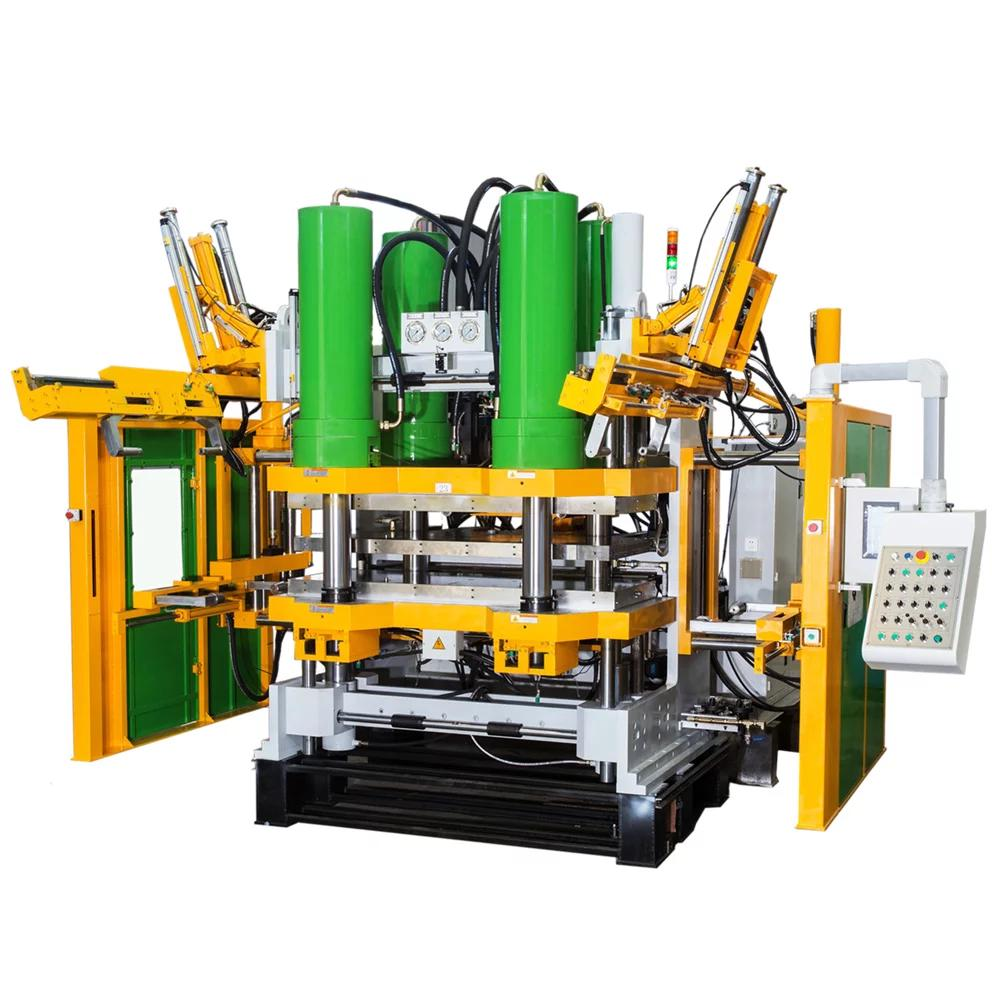
Delivering uniform heat across the entire surface of the splice is vital to avoid localized weak points. Utilizing a highly reliable belt vulcanizing machine ensures that thermal energy is distributed evenly across the heating platens. This eliminates cold spots that frequently lead to premature joint failure.
Consistent mechanical pressure is equally important for a successful splice. High pressure forces the bonding materials together, squeezing out trapped air and eliminating internal voids. Modern curing systems use automated pressure controls to maintain the exact force required throughout the heating cycle.
Standard Elastomers and Curing Characteristics
The vast majority of heavy-duty industrial conveyor systems are manufactured using Natural Rubber or Styrene-Butadiene Rubber. These traditional compounds are highly responsive to thermal processing. They are widely used in mining, quarrying, and bulk packaging facilities.
These general-purpose elastomers cure efficiently under moderate temperature ranges. Because their chemical structures are highly predictable, they are easier to splice than specialized polymers. Standardizing curing procedures for these materials helps maintenance teams keep operational downtime to a minimum.
Ethylene Propylene Diene Monomer is another common material, selected for applications requiring excellent heat and ozone resistance. However, this compound is highly resistant to thermal transfer. It requires much higher temperatures and longer dwell times to achieve a complete cure.
To handle these demanding thermal profiles, maintenance facilities must use highly precise hardware. An advanced rubber belt vulcanizing machine allows operators to program custom heating rates and dwell times. This level of control ensures that even highly heat-resistant polymers cure thoroughly.
Curing Specialized Industrial Polymers
Nitrile Butadiene Rubber is the material of choice for industrial environments that involve oil, grease, or petroleum-based products. Splicing this oil-resistant polymer requires careful thermal management to protect its specialized chemical properties.
Overheating Nitrile rubber during the splicing process can significantly reduce its resistance to chemical degradation. If the joint is under-cured, oil can easily penetrate the splice interface, causing rapid swelling and delamination. Technicians must adhere strictly to the manufacturer’s specified temperature curves.
Flame-retardant conveyor systems, which are mandatory in underground mining operations, often utilize Chloroprene or specialized neoprene blends. These polymers are designed to resist ignition but are highly sensitive to temperature fluctuations during the vulcanization process.
Processing these complex chemical compounds requires highly specialized equipment. Relying on an engineered belt vulcanizing machine prevents the thermal degradation of delicate flame-retardant additives. This ensures that the repaired joint remains compliant with strict underground safety regulations.
Selecting the right curing equipment is critical for maintaining overall facility safety. When specialized polymers are processed with precision, the risk of unexpected joint separation is virtually eliminated. This protects both valuable capital equipment and floor personnel.
Splicing Reinforcement Structures
Modern conveyor belts are rarely made of pure rubber; they are internally reinforced to handle extreme mechanical loads. Fabric-reinforced belts, which utilize nylon or polyester weaves, require careful pressure management during splicing.
Applying excessive mechanical pressure can crush or distort the internal fabric weave, weakening the belt’s overall structural framework. Curing systems must balance the physical pressure with slow, steady heat penetration to protect these delicate synthetic fibers.
Steel cord conveyor belts present an entirely different set of thermodynamic challenges. Steel acts as a powerful heat sink, pulling thermal energy away from the chemical splice zone and slowing down the curing process.
To overcome this rapid heat loss, industrial operations must deploy heavy-duty equipment. A robust rubber belt vulcanizing machine provides the sustained thermal output required to heat both the steel cables and the surrounding elastomer. This guarantees deep, uniform heat penetration.
Technical Expertise in Machinery Manufacturing
Achieving a highly durable conveyor splice is fundamentally a matter of chemical reaction and mechanical precision. Because industrial materials vary widely in composition, standard off-the-shelf equipment is often insufficient for complex applications.
Industrial operations benefit immensely from partnering with experienced equipment manufacturers who understand polymer dynamics. With over twenty-five years of professional manufacturing experience, HWAYI offers highly engineered solutions for diverse industrial sectors.
The enterprise holds numerous national invention and utility patents, demonstrating a long-term commitment to technological innovation. Their advanced engineering capabilities allow them to support complete turnkey projects, customizing machinery to meet specific material specifications.
Partnering with an established manufacturer like HWAYI ensures that industrial facilities receive reliable machinery and worry-free after-sales service. This comprehensive support is essential for maintaining high productivity and minimizing operational bottlenecks.
Understanding material compatibility is the key to successful conveyor maintenance. By matching specific elastomer properties with precise thermal profiles, industrial facilities can secure long-term operational reliability and protect their infrastructure investments.

