
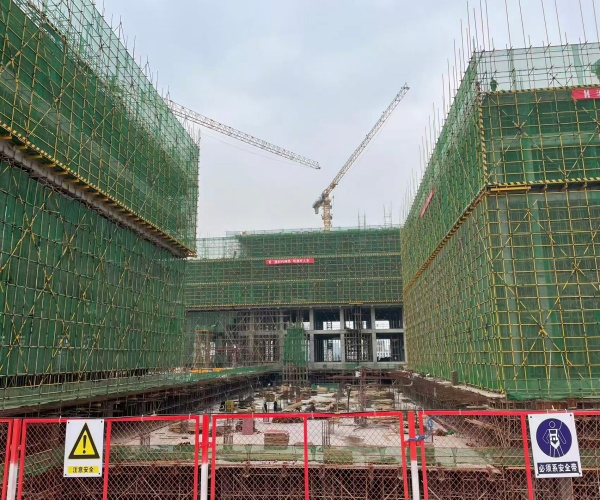
Large construction sites require scaffolding systems that can adapt to changing work areas, structural demands, and installation schedules. Residential towers, bridges, and rail infrastructure each present different access challenges. Successful global construction projects depend on careful equipment selection, coordinated delivery, and practical site management.
The following examples examine how scaffolding systems can support different types of construction projects. Rather than presenting individual project case studies, they focus on common engineering challenges and explain how contractors can plan access arrangements, manage equipment movement, and coordinate temporary structures across different construction environments.
High-Rise Construction Requires Flexible Access Planning
High-rise buildings create access challenges as construction moves between floors. Scaffolding must accommodate changes in working height, material movement, and structural geometry. Contractors need to consider how workers enter each platform and how equipment interacts with permanent building elements.
During concrete construction, formwork support and working platforms may operate within the same area. Their functions differ, so engineers should check structural loads and connection details separately. Clear equipment boundaries help prevent interference between temporary support structures and access systems.
For contractors managing scaffolding for large construction project requirements, modular configurations can provide flexibility. Ringlock scaffolding, for example, allows different platform arrangements through compatible vertical standards, horizontal members, and diagonal braces. However, each configuration still requires appropriate engineering verification.
Equipment delivery also affects the construction schedule. When scaffolding components arrive in the correct sequence, installation teams can organize materials around planned work stages. Missing components may interrupt assembly and create additional handling work.
Bridge Projects Present Different Structural Challenges
Bridge construction often involves uneven ground, changing elevations, and restricted working areas. Scaffolding arrangements must reflect the bridge geometry and construction method. Access beneath bridge decks may require different support configurations from those used around vertical piers.
Consider a bridge project crossing a roadway. Contractors may need temporary access without obstructing traffic below. Engineers must evaluate foundation conditions, clearance restrictions, imposed loads, and the effects of nearby vehicle movement before selecting equipment.
Steel props and formwork systems can support temporary construction operations when specified for appropriate loads. However, formwork support should not be treated as interchangeable with ordinary access scaffolding. Each system requires a defined structural purpose and suitable installation procedures.
Inspection remains important throughout construction. Workers should check connections, base supports, platforms, and bracing after modifications or events that could affect stability. Documented inspection procedures help site teams identify conditions requiring corrective action.
Rail Transit Construction Depends on Site Coordination
Rail transit projects frequently involve narrow construction corridors, complex underground structures, and several contractors working simultaneously. Temporary access equipment must fit within these limitations while allowing construction activities to continue safely.
Station construction illustrates these challenges. Workers may need access around columns, walls, service openings, and elevated structural elements. Scaffolding layouts should account for equipment movement, lifting operations, and access routes before installation begins.
Procurement teams involved in global construction projects should also evaluate component compatibility. Mixing unidentified scaffolding components can create connection problems. Buyers should verify system specifications, dimensions, and manufacturer documentation before approving substitute parts.
Storage and movement require attention as well. Clearly identified equipment groups make it easier to distribute components between construction zones. Organized material handling reduces unnecessary transportation within crowded sites and supports more predictable installation activities.
Manufacturing Support Connects Equipment with Site Requirements
Different project conditions explain why contractors often need more than individual scaffolding components. They may require coordinated supplies of access equipment, formwork, and temporary support products. Equipment selection should begin with drawings, loading requirements, and construction schedules.
Rongze supplies scaffolding systems, concrete formwork, and adjustable steel props for residential, high-rise, bridge, rail transit, and infrastructure projects. With over 15 years of manufacturing experience, the company provides customized construction material solutions based on different project requirements. Its product range allows contractors and project buyers to coordinate equipment procurement across multiple construction applications.
Customization should address defined technical requirements rather than appearance alone. Contractors may need specific component dimensions, compatible connections, or particular surface treatments. These requirements should be confirmed through technical drawings and written specifications before production.
For international deliveries, packaging and shipment planning also matter. Buyers should confirm quantities, component identification, delivery schedules, and inspection documentation. These measures help receiving teams compare delivered materials with purchase orders and approved equipment lists.
Lessons for Future Construction Projects
The examples illustrate several practical considerations for scaffolding large construction project planning. High-rise construction requires adaptable access arrangements, bridge work demands careful structural assessment, and rail projects depend on coordination within restricted spaces. Equipment should match each project’s operating conditions.
Contractors can improve purchasing decisions by comparing technical specifications, installation requirements, component compatibility, and supplier communication. Early coordination between engineers, procurement teams, and installation contractors reduces uncertainty before equipment reaches the construction site.
Suppliers such as Rongze can contribute through their range of scaffolding, formwork, and steel support products. They also offer customized solutions for different construction applications. Buyers should match these capabilities with documented project requirements.
Successful international construction work depends on more than equipment availability. Clear engineering responsibilities, organized deliveries, regular inspections, and appropriate installation methods all contribute to efficient site operations. These practices provide a useful foundation for planning future construction projects.

