
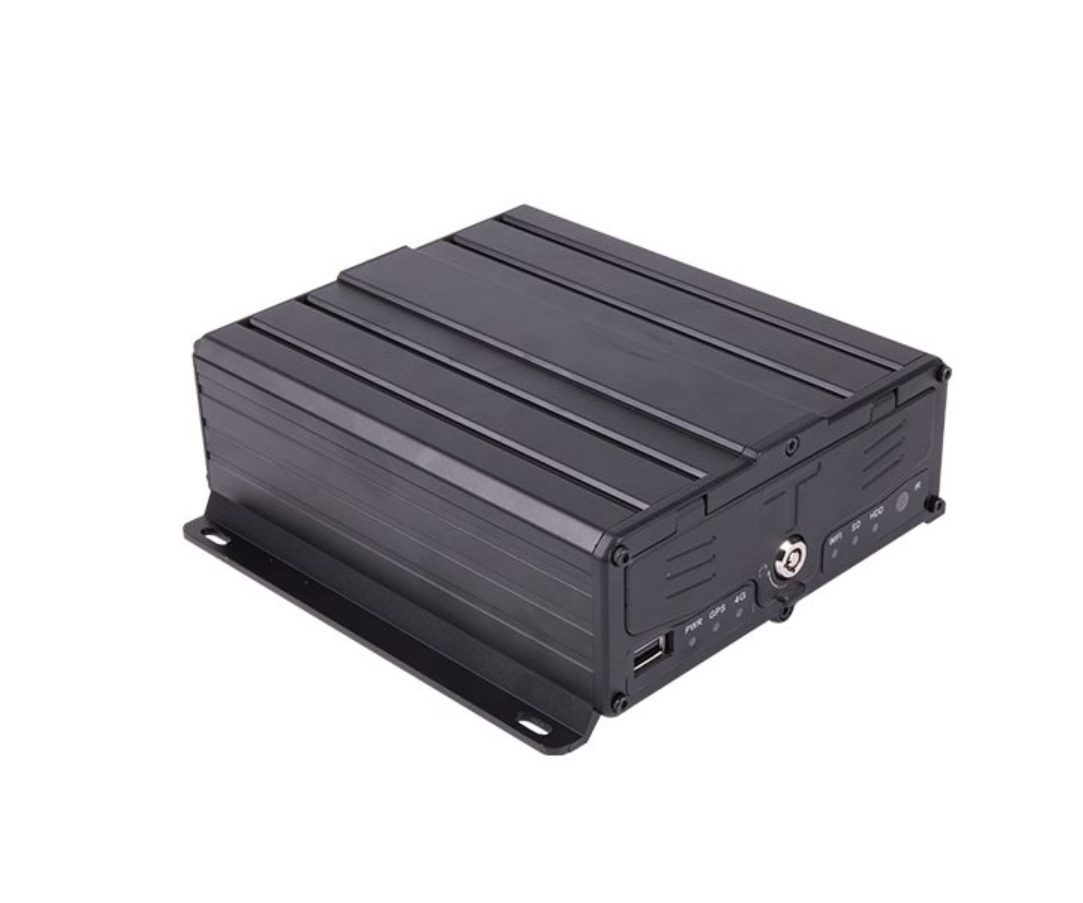
In the age of advanced technology, fleet management has become increasingly reliant on remote surveillance solutions. Video surveillance systems, like mobile DVRs (Digital Video Recorders), offer fleet operators the ability to remotely monitor their vehicles, ensuring enhanced security and operational efficiency. However, many fleet managers struggle with how to effectively connect a DVR mobile system to their mobile devices, a crucial feature for real-time data access. This article explores the various ways to connect a Dahua DVR to mobile, and how it can improve fleet monitoring, making it more efficient and reliable.
Seamless Integration with Mobile Devices
A mobile DVR system is designed to transmit video feeds from vehicle-mounted cameras to a remote location. To access these feeds remotely, the Dahua DVR must be connected to mobile devices. The most common method is through a built-in cellular connection or Wi-Fi network. By connecting via cellular data, fleet operators can receive real-time video streams and critical footage, even when Wi-Fi is unavailable. This flexibility allows operators to monitor their fleet’s performance and security from any location, improving response time to any emergencies.
The Role of Luview Mobile DVR for Fleet Management
For fleet managers looking to maximize efficiency, the Luview mobile DVR offers an advanced solution. With support for H.265/H.264 encoding, this mobile DVR provides excellent compression, ensuring that high-quality video footage can be stored without taking up excessive storage space. Furthermore, it supports external storage options like SATA hard disks and SD cards, allowing for extended recording times without frequent swaps. This feature makes the Luview DVR mobile system an ideal choice for long-term vehicle monitoring, even in remote or low-bandwidth areas.
Efficient Real-Time Monitoring and Alarm Integration
The Luview mobile DVR system also integrates seamlessly with external alarms and sensors, improving safety and reducing manual oversight. With 6 alarm inputs and support for RS232/RS485 connections, the system can detect and respond to vehicle anomalies in real time. This is particularly beneficial for fleet operators who need to react swiftly to any irregularities. Whether it’s a sudden stop, vehicle collision, or theft attempt, the mobile DVR sends immediate alerts to the operator’s mobile device, allowing for quicker decision-making and faster responses to potential issues.
Conclusion
Connecting a Dahua DVR to a mobile device enables fleet managers to monitor and respond to incidents remotely, streamlining operations and enhancing security. By utilizing a Luview mobile DVR system, operators can take advantage of flexible storage, real-time video streaming, and integration with alarms and sensors, creating a more efficient and secure fleet management solution. Whether on the road or in the office, the ability to connect a DVR mobile system to a mobile device makes it easier for fleet operators to manage their vehicles and ensure safety at all times.

