
Electrical faults can create serious safety concerns, but protection strategies must also consider system continuity. In commercial facilities, industrial environments, and building projects, an unnecessary shutdown can interrupt operations, affect equipment, and increase maintenance costs. This makes the selection of suitable electrical control products an important part of electrical system planning.
Arc fault protection provides an additional layer of protection by addressing dangerous electrical arcing that may not always be detected by conventional overcurrent protection. When combined with appropriate circuit protection and control equipment, it can help improve electrical safety while supporting reliable system operation.
Understanding the Role of Arc Fault Protection
An electrical arc occurs when current travels through an unintended path, often across a gap caused by damaged insulation, loose connections, deteriorated wiring, or mechanical damage. Arc faults can generate intense localized heat and may become a source of ignition.
Traditional circuit breakers primarily respond to conditions such as overloads and short circuits. While these protections remain essential, some arc fault conditions may produce current levels that do not immediately reach the operating threshold of conventional overcurrent devices.
This is where dedicated arc fault protection can provide additional coverage. By identifying characteristics associated with hazardous arcing, an appropriately designed protection system can respond before the condition develops into a more serious electrical incident.
How Different Protection Functions Work Together
Electrical safety rarely depends on a single device. A properly designed system normally combines several protection functions according to the characteristics of the installation.
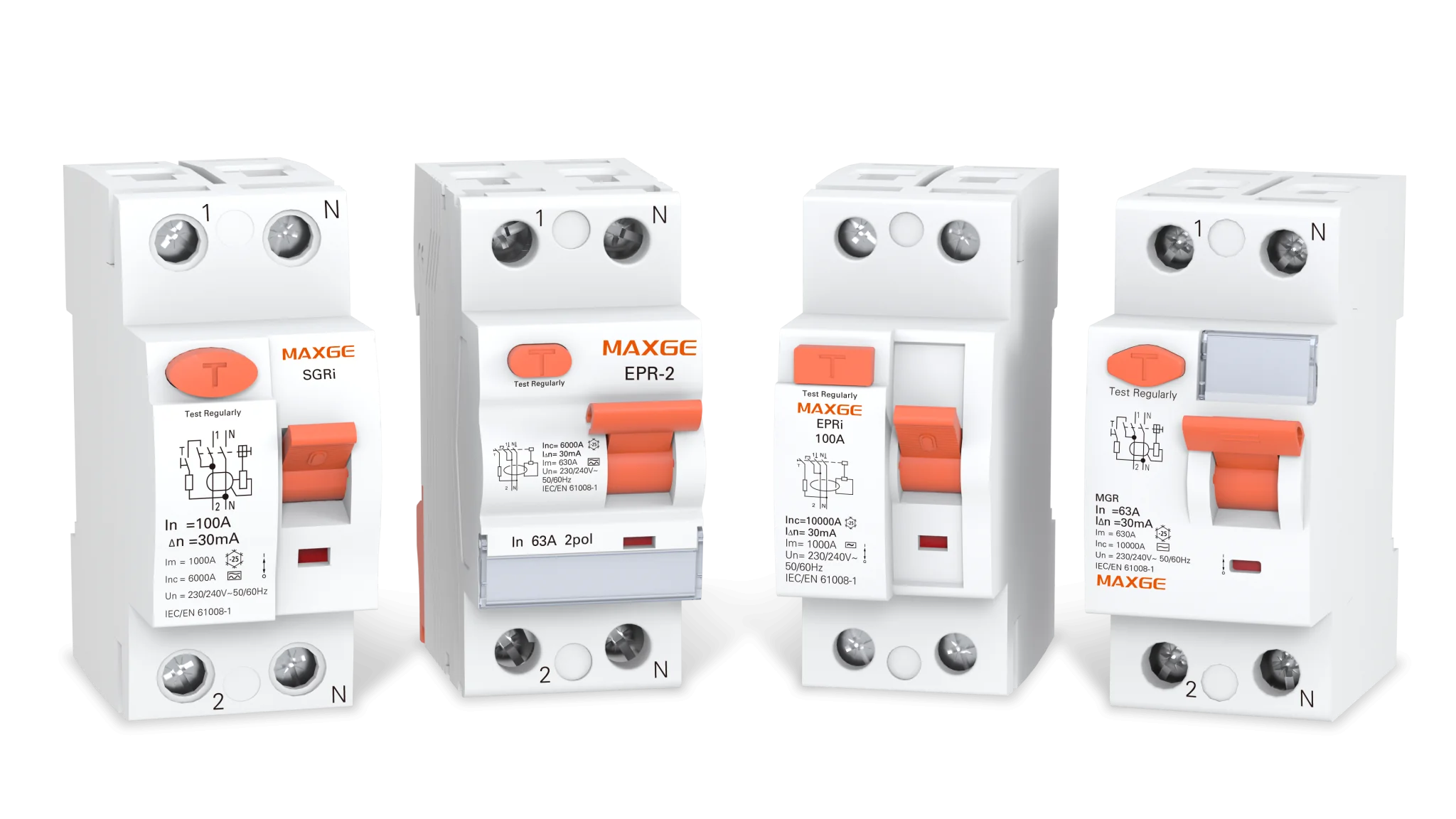
A circuit protection device can help protect conductors and equipment from excessive current caused by overloads or short circuits. For applications where leakage current presents a safety concern, RCD protection can detect residual current and disconnect the circuit when the measured imbalance reaches the relevant operating level.
A residual current circuit breaker provides another important layer by monitoring the difference between current flowing through the live and neutral conductors. This can help address earth leakage conditions that conventional overcurrent protection may not detect.
Meanwhile, thermal overload protection is particularly relevant to equipment containing motors or other loads that can experience prolonged excessive current. It helps reduce the risk of overheating caused by sustained overload conditions.
These functions address different electrical risks. Using them together, rather than relying on one protection method for every fault scenario, allows engineers and installers to develop a more comprehensive protection strategy.
Balancing Protection With Unnecessary Downtime
One concern when selecting protection equipment is the possibility of nuisance tripping. A protection device that disconnects a circuit unnecessarily can interrupt production, stop equipment, or create inconvenience for building occupants.
For this reason, protection should be selected according to the actual electrical characteristics of the application. Rated current, voltage, load type, fault conditions, installation environment, and coordination between upstream and downstream devices all need to be considered.
Arc fault protection should therefore not simply be viewed as adding another device to a distribution board. Its role should be considered within the complete protection architecture. Appropriate coordination can help ensure that a fault is isolated as effectively as possible without unnecessarily disconnecting unaffected circuits.
Correct installation is equally important. Loose terminals, incorrect wiring, damaged conductors, and poor connections can themselves contribute to electrical faults. Protection equipment should therefore be supported by proper installation practices and regular inspection.
Selecting Electrical Control Products for Different Applications
Different installations have different protection requirements. A small commercial building may prioritize dependable protection for lighting, sockets, and general electrical equipment, while an industrial facility may need coordinated protection for motors, machinery, distribution systems, and control circuits.
When evaluating electrical control products, users should look beyond individual specifications. Compatibility with the existing electrical system, installation requirements, applicable standards, protection characteristics, and maintenance considerations should all be reviewed.
It is also useful to consider the complete product range rather than selecting isolated components. Circuit breakers, residual current protection, control components, and related accessories need to work together as part of an integrated electrical system.
For projects with specific technical requirements, consulting the manufacturer can also help clarify product selection and application suitability.
Why Product Information and Technical Support Matter
Electrical protection equipment directly affects system safety and operational reliability, so clear technical information is important during product selection. Users may need to confirm rated values, installation methods, applicable standards, dimensions, connection arrangements, or compatibility with other components.
MAXGE provides a range of electrical products covering circuit protection and electrical control applications. Reviewing the available product information can help users understand which solutions may be appropriate for their particular installation.
For project-specific questions, technical requirements, product selection, or other inquiries, users can contact MAXGE to obtain further information directly from the manufacturer.
Building a More Reliable Protection Strategy
Arc fault protection can contribute to a broader electrical protection strategy, particularly when combined with other protective measures. Overcurrent protection, RCD protection, residual current circuit breakers, thermal overload protection, and other protection functions each address different electrical risks. Their roles should be considered according to the circuit type, load characteristics, installation environment, and potential fault conditions.
The objective is not simply to install more protection devices. Instead, the focus should be on selecting suitable equipment, coordinating different protection functions, installing products correctly, and maintaining the system over its service life. For residential, commercial, and industrial applications, protection requirements may also change across terminal circuits, distribution sections, motor loads, and specialized equipment.
MAXGE develops low-voltage electrical solutions that address different protection and control requirements, with applications extending to conventional power distribution as well as PV, energy storage, and EV charging systems. Its R&D team, patented technologies, software copyrights, and testing resources including CNAS-related laboratory capabilities and international certifications support the development of products for different electrical applications.
For facilities where operational continuity matters, this application-oriented approach can help balance protection requirements with practical system operation. By considering individual protection functions as part of the complete electrical architecture, users can develop electrical installations that are better matched to everyday operating conditions and potential fault scenarios.

