
For commercial and industrial energy-storage projects, the gap between identifying a project opportunity and producing a workable technical proposal can affect the entire development schedule. Developers, EPC contractors, and system integrators often need to assess load requirements, battery configurations, grid conditions, application scenarios, and compliance requirements before equipment can be selected. A supplier that can provide technical input quickly can therefore become an important part of the project-development process.
This is where responsive energy storage system design services can make a practical difference. Rather than treating system design as a separate step after product procurement, YUNT integrates project evaluation, product selection, configuration, and technical support into a broader service process, with custom ESS solutions and technical support available within 72 hours.
Why Does Energy Storage Design Take More Than Choosing a Battery?
An energy-storage system is not simply a battery connected to the electrical grid. Its design must account for how electricity will flow between the battery, PCS, loads, photovoltaic generation, and grid.
For a C&I facility, the intended application may include peak shaving, PV-storage-charging, backup power, microgrid operation, or off-grid supply. Each scenario can lead to different requirements for system capacity, operating modes, power conversion equipment, and control architecture.
YUNT’s service process begins with project evaluation. Its technical team reviews factors including project location, load demand, required system capacity, battery type, grid conditions, and operating mode before system configuration. This provides a more structured starting point for engineers than selecting equipment based only on nominal power.
What Can Be Evaluated Within a 72-Hour Response?
The value of a fast technical response is most apparent during the early design stage. When project teams are comparing several possible configurations, waiting too long for basic engineering feedback can delay budgeting, customer proposals, and internal project decisions.
YUNT states that it can provide custom ESS solutions and technical support within 72 hours. Its service scope includes energy storage system design consultation, load and application analysis, product selection support, grid-connection guidance, and technical proposal assistance.
This does not mean that every complete project can be engineered and commissioned within three days. Instead, the 72-hour response is most useful as a rapid technical alignment mechanism: partners can provide project requirements and receive an initial direction for product selection, system configuration, and engineering considerations.
For system integrators managing multiple opportunities simultaneously, this shorter feedback cycle can help determine which projects are technically viable before substantial engineering resources are committed.
How Does Modular Design Simplify Project Configuration?
Once project requirements are understood, equipment selection becomes the next important step. A flexible product platform can help engineers match the conversion architecture to the application rather than forcing different projects into the same configuration.
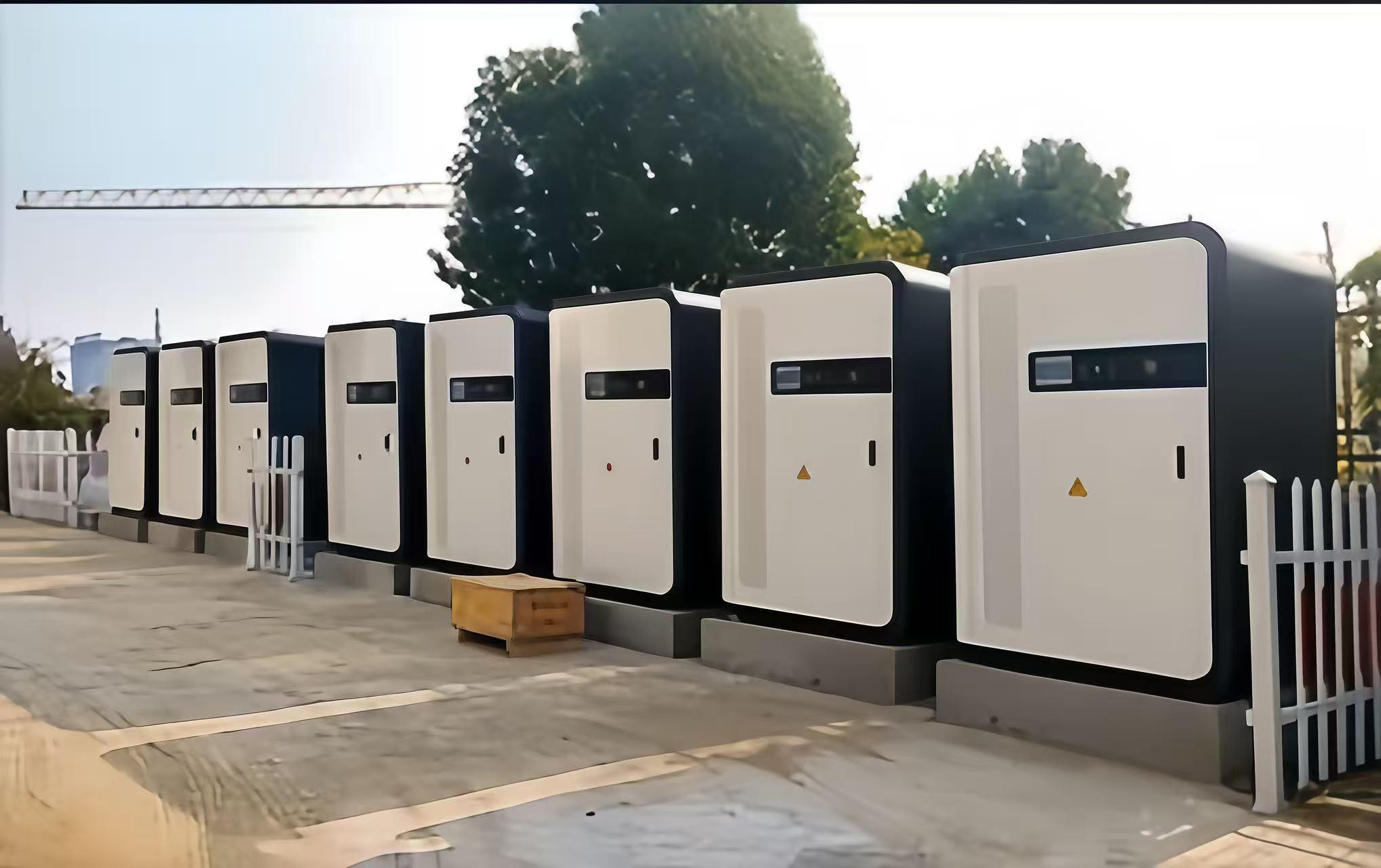
YUNT supports modular energy storage system designs using PCS modules, MPPT modules, STS/ATS solutions, microgrid hybrid inverters, and energy-storage cabinets. Its product portfolio also includes Mars Series PCS modules, Mercury Series DCDC/MPPT products, STS products, and Neptune Series microgrid hybrid inverters.
For example, the official Mars-100KT, Mars-110KT, and Mars-125KT documentation lists rated charging/discharging power of 100 kW, 110 kW, and 125 kW respectively. Each model has a 580–1000 V DC operating range, a 400 V rated grid voltage, and a maximum efficiency of 98.9%.
These published parameters give engineering teams concrete reference points when matching PCS capacity and electrical characteristics to the wider system.
What Happens After the Initial Design?
A useful design service should extend beyond a preliminary equipment list. Once a configuration has been selected, installation and commissioning can introduce additional technical questions.
YUNT’s project-delivery support includes installation documentation, wiring diagrams, PCS integration guidance, remote commissioning support, and parameter verification. The company also provides guidance for PCS and battery connections, PV-side integration, STS/ATS integration, cabinet installation, and hybrid-system connections.
This lifecycle approach is particularly relevant to EPC contractors and system integrators. Instead of receiving hardware without engineering context, partners can obtain documentation and technical assistance during preparation, installation, commissioning, and handover.
Why Is Fast Technical Support Valuable for Global Projects?
International C&I projects can involve different grid conditions, operating environments, and compliance requirements. A design that works for one site may require adjustments for another.
YUNT provides compliance support intended to help partners adapt energy-storage systems to local grid requirements and project standards. Its service page also states that the company supports projects across applications such as peak shaving, PV-storage-charging, microgrids, backup power, and off-grid power supply.
For partners developing projects in multiple markets, this application-oriented approach can make early technical communication more efficient. The objective is not simply to deliver equipment quickly, but to establish a configuration that fits the project’s electrical and operational requirements.
Turning a Short Response Time Into a Practical Design Advantage
A 72-hour response is valuable when it supports better decisions rather than simply promising faster communication. For C&I developers, EPCs, and system integrators, effective design support should connect project requirements with appropriate products, grid considerations, installation requirements, and ongoing technical assistance.
YUNT’s energy storage system design service combines project evaluation, modular configuration, application matching, compliance support, installation guidance, commissioning, and after-sales assistance. By bringing these activities into one technical-support workflow, YUNT gives project partners a practical starting point for moving from an initial energy-storage requirement toward a project-specific system configuration.

