
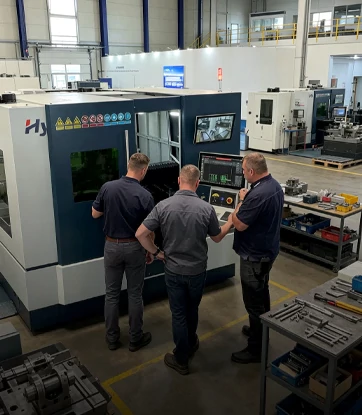
Production rarely pauses conveniently when equipment needs attention. A fault that appears near the end of a day shift may affect overnight orders, delay the next setup, and leave the morning team uncertain about what has already been checked. Reliable laser cutting machine service depends on a response plan that works across shifts, locations, and levels of technical expertise.
Hymson Laser Machinery describes a global support network intended to help customers maintain stable operation, making communication procedures and clear responsibilities important parts of production planning.
Establishing a Clear Response Process
A useful service process begins with consistent fault reporting. Operators should record the machine identification, alarm code, time of occurrence, material being processed, program in use, and any visible change in cutting quality. Photos, short videos, and recent operating records can provide context that a verbal description may miss. Standardized reporting helps technicians compare incidents and reduces repeated questions when a case moves from an operator to a supervisor or external support team.
The next step is to classify the incident by operational and safety impact. A minor quality deviation may require inspection before the affected parts proceed, while an abnormal motion, safety-system alarm, or suspected electrical fault may require an immediate stop under site procedures. Production urgency should not override safety requirements. Clear escalation thresholds allow shift supervisors to make consistent decisions instead of relying on individual judgment during a time-sensitive incident.
Communication should continue until the issue has a defined outcome. Each service case should have an assigned owner, a record of troubleshooting steps, and a clear status such as awaiting diagnosis, awaiting parts, under repair, or ready for validation. Handover notes should identify what has been tested and which actions remain outstanding. This structure makes laser cutting machine service more traceable and prevents the next shift from repeating unsuccessful checks or restarting equipment without understanding the fault.
Preventive Support Across Shift Changes
Preventive work is easier to manage when it follows a shared schedule rather than the habits of individual operators. Daily checks can cover visible damage, consumable condition, cooling status, extraction, and other items specified by the equipment manufacturer. Longer-interval tasks may involve qualified inspection of mechanical assemblies, electrical systems, and motion components. Each task needs an assigned role and a record of completion so that work does not disappear between shifts.
Operating intensity should influence the maintenance plan. Equipment running extended hours may accumulate more cutting time between calendar-based inspections, while frequent material changes can increase setup checks and consumable use. Historical alarms, downtime, and part-quality trends help maintenance teams identify components or processes that deserve closer attention. Scheduled inspections should still follow manufacturer guidance, with adjustments made only when supported by technical evidence and approved procedures.
Consumables and spare parts also affect support readiness. Commonly used nozzles, filters, and other approved items may need accessible stock, while specialized components require compatibility checks and realistic supplier lead-time estimates. Storage conditions and stock records matter because damaged or incorrectly identified parts can delay repairs even when inventory appears sufficient. Good laser cutting machine maintenance planning connects inspection results with purchasing decisions, ensuring that the service team has the right information before a component failure interrupts production.
Defining Escalation and Recovery Responsibilities
A support plan should specify which problems operators can report, which require internal maintenance staff, and which need external technicians. Responsibilities may differ by machine configuration, fault type, and employee qualification. A written escalation chart should include contact channels, required diagnostic information, after-hours arrangements, and the person authorized to approve downtime or emergency purchases. These details are particularly important when overnight teams have fewer engineering resources available on site.
Remote troubleshooting can help resolve straightforward issues or narrow the cause before an engineer travels to the facility. Useful preparation includes alarm histories, controller messages, recent parameter changes, sample-part images, and a concise timeline of events. Remote access should follow the company’s cybersecurity and authorization policies, and operators should not perform unfamiliar adjustments without approval. If the issue requires physical inspection or specialized tools, the case record should make that need clear as early as possible.
Recovery is not finished simply because the machine starts running again. A controlled restart should follow the approved procedure, with representative parts checked for dimensions, edge condition, and other relevant quality requirements. The incident record should document the confirmed cause where known, the repair performed, replacement components, validation results, and any follow-up action. Reviewing recurring cases can reveal opportunities to improve training, preventive tasks, or shift handovers. In this way, laser cutting machine maintenance becomes a continuing improvement process rather than a list of isolated service activities.
Conclusion
Reliable multi-shift production requires more than access to a technician; it needs a coordinated system for reporting faults, maintaining equipment, and validating recovery. Consistent records keep information intact between teams, while defined escalation rules help balance production priorities with safe operating practices.
Hymson Laser Machinery offers global service support intended to help customers maintain stable operation and reduce downtime. Manufacturers can strengthen that support through clear internal ownership, realistic after-hours procedures, and a documented laser cutting machine service process that every shift understands and follows.

