
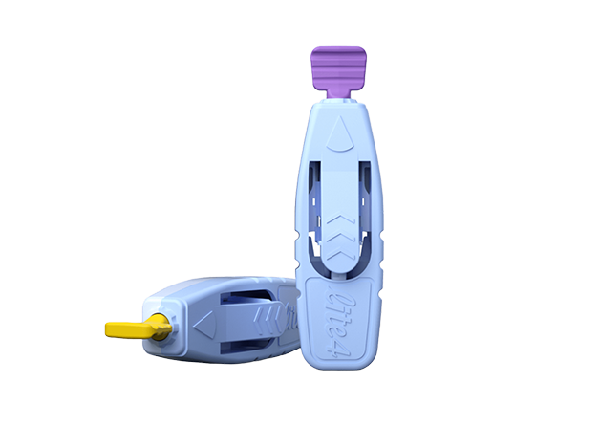
Fingerstick blood collection is a routine procedure, yet its simplicity can make the underlying infection-control principles easy to overlook. Each puncture creates direct contact with blood, which means the device used for skin penetration must be treated as part of the clinical safety process rather than as an ordinary reusable accessory. Single use safety lancets are intended to provide one puncture with one device, after which the used unit enters the appropriate sharps-disposal pathway.
Such a protocol reduces opportunities for blood contamination to move between sampling events and supports clearer separation between patients, procedures, and equipment. SteriLance develops capillary blood collection devices for clinical and self-testing applications, offering useful context for understanding why single-use practice remains central to fingerstick safety.
The Infection-Control Principle Behind One-Time Use
Bloodborne pathogens create a fundamental reason for treating puncture devices as single-use equipment. Even when contamination cannot be seen, microscopic blood residue may remain on a device after skin penetration. Reintroducing that device into another sampling procedure creates an avoidable exposure pathway.
Clinical protocols therefore distinguish between equipment that can undergo validated reprocessing and devices specifically intended for one-time use. Puncture devices generally fall into the latter category because their design and labeling establish how they should be handled after activation.
The principle extends beyond hospitals. Pharmacies, outpatient clinics, screening programs, and other point-of-care environments may involve multiple individuals receiving fingerstick testing. Consistent disposal after each procedure creates a straightforward boundary between separate sampling events.
Why Reuse Creates Additional Risk
Reuse can introduce contamination concerns even if the same individual is being tested repeatedly. Once a lancet has penetrated skin, its sterile status can no longer be assumed, and repeated punctures may also affect the physical condition of the needle.
Cross-patient use presents a more serious concern because blood residues can potentially transfer biological material from one person to another. Infection-control procedures therefore treat the used puncture device as contaminated waste rather than something that can simply be set aside for another test.
Proper sharps handling forms the next part of the process. Used devices should be discarded immediately according to the applicable facility procedure and local regulations. Single use safety lancets support this workflow because the intended sequence is straightforward: open, use, and dispose.
Device Specifications Still Matter
Single-use design does not mean that all safety lancets have the same sampling characteristics. Needle gauge, puncture depth, activation mechanism, housing design, and intended application can differ between models. Clinical teams should therefore consider the specifications alongside infection-control requirements.
Needle gauge influences the relationship between needle diameter and puncture characteristics. Smaller gauge numbers generally correspond to larger needle diameters, while higher gauge numbers indicate finer needles. Selection should reflect the intended application rather than relying on gauge alone.
The Disposable Safety Lancet (Lite4 model) is offered in 30G, 28G, and 26G configurations. These options provide different needle gauges within the same safety-lancet family, allowing the specification to be matched with the relevant testing application and device requirements.
How Single-Use Practice Fits Clinical Workflow
Good infection control depends on habits that remain practical during busy periods. Staff members need to recognize which items are disposable, know where used sharps belong, and avoid placing activated devices on work surfaces where accidental contact could occur.
Patient identification and preparation also remain important. The sampling site should be prepared according to the applicable protocol, and the puncture device should remain sealed until it is ready for use. These steps preserve the intended sequence from preparation through disposal.
Training reinforces these routines. New personnel may understand the general concept of disposable medical equipment while still benefiting from specific instruction on activation, puncture technique, and sharps management. Clear procedures reduce ambiguity and make safe handling easier to maintain across different clinical settings.
Building Reliable Fingerstick Procedures
Standardization becomes especially useful where numerous fingerstick tests are performed throughout the day. Consistent equipment selection and disposal practices allow staff members to follow familiar procedures instead of improvising around individual sampling events.
Documentation can also support quality management. Device specifications, lot information, expiration dates, and facility procedures may all have a role in maintaining traceability, depending on the testing environment and regulatory requirements.
Patient comfort should remain part of the assessment as well. Infection control addresses exposure prevention, but an effective sampling protocol also considers puncture characteristics, device ergonomics, and the testing frequency involved. Single use safety lancets contribute to that broader framework by combining disposable use with purpose-designed blood collection.
Conclusion
One-time use is not simply a matter of replacing one puncture device with another; it represents a defined infection-control boundary within the fingerstick procedure. Once skin penetration has occurred, continued reuse can introduce contamination and handling concerns that have little place in a controlled clinical workflow. Appropriate disposal, staff training, device selection, and adherence to established protocols work together to support safer sampling practices. SteriLance’s capillary blood collection devices show how disposable safety-lancet design can support structured testing routines while maintaining infection-control practices.
Disclaimer: This content is provided for general health education and informational purposes only. It does not constitute medical advice, diagnosis, or treatment. Individual health conditions vary, and no health education article can replace a face-to-face consultation with a qualified healthcare professional or licensed medical institution. If you have specific health concerns or feel unwell, please seek care from a licensed medical facility and do not delay treatment because of content on this platform.

