
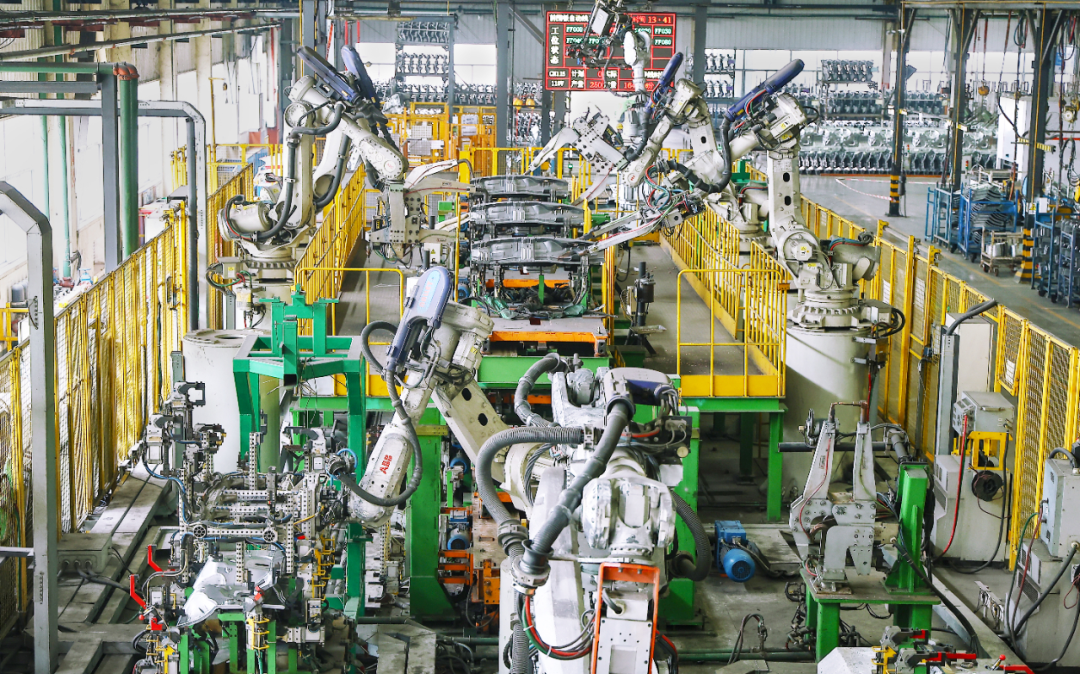
Cargo vans are becoming increasingly connected to the digital systems around them. Route density, delivery windows, energy consumption, vehicle utilization, and driver behavior can all generate data that helps fleet operators make better decisions. These changes reflect wider automotive industry trends, where artificial intelligence is moving beyond experimental applications and into manufacturing, logistics, and vehicle management. Wuling Motors has also been upgrading intelligent manufacturing capabilities, including the smart-factory development of its Chongqing Zhutong Industrial operation, showing how digitalization is becoming relevant across the vehicle lifecycle.
How AI Is Changing Cargo Van Operations
Delivery fleets generate large quantities of operational information every day. Mileage, average speed, stopping frequency, battery or fuel consumption, maintenance records, and route conditions can reveal patterns that are difficult to identify through manual observation alone.
AI can process these datasets and detect relationships between operating conditions and vehicle performance. Fleet managers may then use those insights to compare routes, identify inefficient utilization, or schedule maintenance according to actual operating conditions rather than relying solely on fixed assumptions.
Such applications fit naturally within broader automotive technology development. The emphasis is shifting from isolated electronic functions toward connected systems capable of exchanging information between vehicles, fleet platforms, workshops, and logistics operations.
AI Applications Across Vehicle Manufacturing
Digital intelligence is also influencing how vehicles are produced. Smart factories can connect equipment, production information, quality inspection, and material movement, creating a more visible manufacturing process.
Computer vision provides one example. Cameras and machine-learning algorithms can examine specific production characteristics and identify irregularities that may require additional inspection. The technology does not replace engineering judgment; instead, it provides another source of information for quality management.
Wuling’s Chongqing Zhutong Industrial operation has undergone intelligent-factory upgrades, reflecting the wider movement toward digitally connected manufacturing. Such developments demonstrate that automotive industry trends involve changes inside factories as well as innovations visible to vehicle users.
Autonomous Driving: From Assisted Safety to Unmanned Logistics
Beyond manufacturing and fleet analytics, AI is also reshaping how vehicles are driven. Wuling’s Lingmou Intelligent Driving technology spans multiple levels—from driver-assistance features like AEB and highway NOA to full unmanned logistics. At the commercial vehicle level, the Lingyu intelligent driving domain controller has been applied to logistics vehicles and shuttle buses, making Wuling one of the first to offer commercial-grade autonomous solutions for both manned and unmanned operations.
The practical impact is already visible: Wuling’s unmanned logistics vehicles, developed to automotive-grade standards, have entered volume production for last-mile delivery, park-to-park material transfer, and community distribution, with real-world deployments in cities such as Nanning and Liuzhou. For fleet operators, this means the next phase of urban logistics is likely to include vehicles that can operate with reduced driver involvement—or without one at all.
Data Makes Predictive Maintenance More Practical
Traditional maintenance schedules generally rely on mileage, operating time, or predefined service intervals. Those measurements remain useful, but connected vehicles can provide additional information about actual operating conditions.
Sensors may monitor temperatures, pressures, electrical behavior, and other parameters. Data collected over time can help identify unusual patterns before they develop into more significant operational problems.
Predictive approaches can be especially useful for commercial fleets because unexpected downtime has consequences beyond the vehicle itself. A delivery van that remains unavailable can affect routes, staffing, cargo schedules, and customer commitments. Better information can therefore support more informed maintenance planning.
Combining AI With Driver And Route Management
Vehicle intelligence does not operate independently from logistics software. Route planning, traffic information, delivery schedules, and vehicle data can be analyzed together to create a more comprehensive view of fleet operations.
Driver behavior represents another useful data source. Repeated harsh acceleration, excessive idling, unnecessary braking, or inefficient route choices may increase energy or fuel consumption. Fleet platforms can identify these patterns and provide information for training or operational adjustments.
Electric cargo vans add another dimension because charging decisions become part of route planning. Available battery capacity, journey length, traffic conditions, charging locations, and delivery priorities may all influence whether a planned route is practical.
Where Intelligent Cargo Vehicles May Develop Next
Future development is likely to focus less on individual AI functions and more on how different systems communicate. Vehicle sensors, cloud platforms, manufacturing databases, navigation systems, and fleet-management tools can potentially form a connected information network.
Cybersecurity and data governance will become increasingly important as connectivity expands. Vehicle data may contain operational information about routes, schedules, and business activities, so access controls and appropriate data-management practices need to accompany technical development.
Human oversight remains equally significant. AI-generated recommendations can help identify patterns, but decisions involving vehicle safety, maintenance, production quality, or fleet deployment still require appropriate technical judgment. Responsible implementation depends on knowing both what automated systems can identify and where their limitations lie.
Turning Digital Progress Into Practical Value
Technology becomes meaningful when it addresses a clearly defined operational problem. Faster inspection has value when it improves production visibility; predictive maintenance matters when it helps fleet managers plan around potential downtime; intelligent routing becomes useful when it supports realistic delivery schedules.
The same principle applies to automotive technology as a whole. Sensors, connectivity, AI models, and automated systems should not be viewed as separate trends. Their practical impact comes from combining data with engineering knowledge and operational requirements.
For cargo-van manufacturers and fleet operators, this shift creates an opportunity to rethink the vehicle as more than a transportation asset. It can become part of a broader digital ecosystem that links manufacturing, maintenance, logistics, and energy management. Wuling Motors’ intelligent-factory development in Chongqing provides one example of how digital transformation is extending from vehicle production into the wider automotive value chain.

