
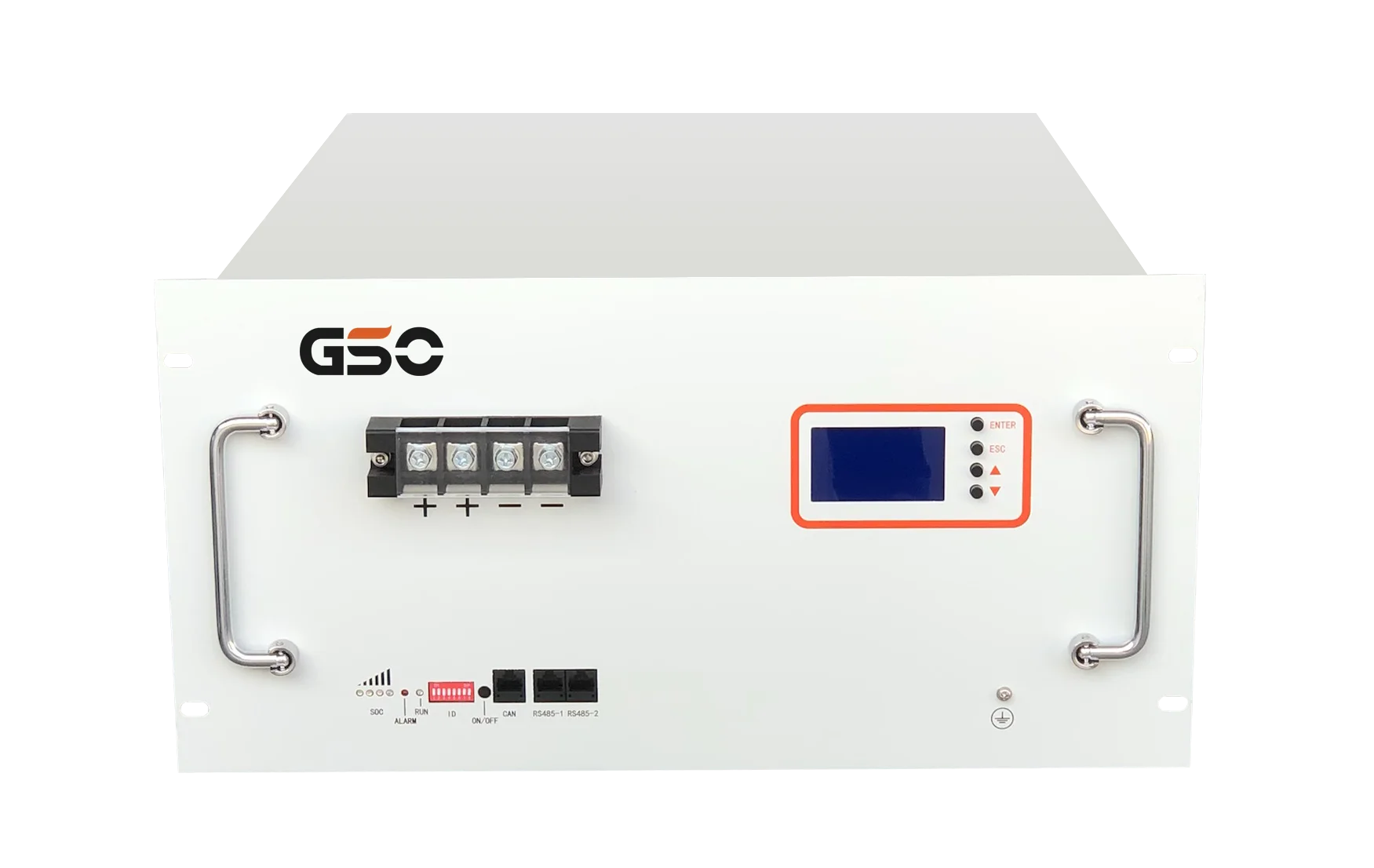
Industrial facilities exploring independent power solutions frequently weigh electrochemical setups against traditional fossil fuel generators and unmitigated grid reliance. Diesel generators have historically dominated emergency backup markets despite high fuel costs and ongoing mechanical maintenance overheads.
Rack-mounted lithium iron phosphate modules offer a cleaner alternative that integrates directly with existing photovoltaic arrays. Evaluating these technologies requires examining structural differences across operational workflows, maintenance requirements, and daily financial returns.
Facilities deploying commercial battery storage gain automated synchronization capabilities that reduce the need for manual intervention during unexpected grid disruptions. Standalone generators require manual fuel replenishment and periodic engine warm-ups to remain operational during extended blackouts.
Electrochemical racks operate silently with zero moving parts, drastically reducing mechanical failure risks across demanding industrial environments. Project managers appreciate how substantially reduce the risk of fuel storage fire hazards within urban facilities.
Electrochemical Efficiency Versus Fossil Fuel Combustion
Rack-type LiFePO4 battery modules deliver exceptional round-trip efficiency exceeding ninety percent during standard daily charge-discharge cycles. Fossil fuel generators convert chemical combustion into mechanical energy with massive thermodynamic losses and continuous exhaust emissions.
Implementing commercial battery storage for solar captures surplus daytime generation without direct fuel combustion emissions or generator noise during operation.
Thermal stability remains a core differentiator between advanced lithium chemistry and legacy energy alternatives like lead-acid or internal combustion. GSOpower engineers rack-mounted modular units equipped with advanced battery management systems to monitor individual cell temperatures continuously.
Such precision telemetry prevents thermal runaway propagation and ensures multi-decade structural integrity under heavy commercial workloads without unexpected shutdowns.
Operational longevity separates premium lithium storage solutions from alternative backup power sources that degrade rapidly under frequent cycling. Prismatic cells endure thousands of deep discharge cycles while retaining over eighty percent of their original nameplate capacity.
Alternative combustion systems incur rapid mechanical wear whenever frequent startup sequences occur during unstable grid conditions. Long-term asset depreciation calculations heavily favor solid-state energy storage over mechanical generator engines across commercial portfolios.
Operational Reliability and Outage Response Profiles
Uninterrupted power supply protection requires sub-second reaction times that traditional generator engines simply cannot achieve mechanically. Automated transfer switches paired with electrochemical storage engage within milliseconds of detecting voltage sags or sudden utility blackouts.
Sensitive manufacturing automation and server hardware continue operating without experiencing harmful micro-interruptions or data loss incidents. Continuous power quality conditioning shields delicate facility electronics from transient voltage spikes effectively.
System integrators rely on GSOpower to deliver certified rack configurations that streamline complex utility interconnection approvals globally. Unlike noisy diesel units restricted by local noise ordinances and environmental emissions caps, modular battery enclosures operate quietly inside climate-controlled control rooms.
Maintenance personnel verify system health remotely through cloud dashboards rather than conducting manual engine oil inspections. Remote diagnostic telemetry accelerates troubleshooting workflows significantly for on-site technical teams.
Grid-tie capabilities allow enterprises to export surplus generation or engage in aggressive peak shaving during expensive tariff windows. Standalone generators remain completely disconnected from photovoltaic arrays, missing valuable opportunities to monetize daily renewable energy production.
Chemical energy reserves transform variable sunlight into a predictable corporate asset regardless of public utility stability. Enterprises achieve genuine operational autonomy by harmonizing storage hardware with intelligent energy management software platforms.
Economic Amortization and Application Suitability
Financial evaluation across a twenty-year lifecycle reveals stark contrasts between permanent electrochemical assets and recurring fuel-dependent alternatives. Purchasing dedicated commercial battery storage requires higher initial capital expenditure but yields substantial daily savings through peak shaving and demand charge reduction.
Combustion alternatives incur ongoing operating expenses every time emergency fuel consumption becomes mandatory during grid failures. Strategic capital allocation toward renewable storage secures multi-year budgetary predictability for corporate finance teams.
Optimal deployment sectors include manufacturing plants, logistics hubs, and agricultural facilities facing severe local electricity rate volatility. Selecting commercial battery storage for solar can help businesses reduce exposure to certain utility tariff fluctuations while achieving corporate sustainability targets.
Alternative backup generators remain better suited for remote, isolated off-grid outposts lacking any primary photovoltaic generation infrastructure. Comprehensive economic modeling confirms superior financial returns for commercial storage deployments across metropolitan areas.
Comprehensive procurement strategies demand rigorous vetting of safety certifications, warranty throughput limits, and vendor engineering support capabilities. GSOpower combines robust rack-type hardware architecture with intelligent software controls to guarantee long-term operational resilience for commercial enterprises.
Strategic hardware selection transforms intermittent renewable generation into a dependable foundation for modern enterprise microgrids. Enterprise leaders secure lasting competitive advantages through meticulous technology comparison and rigorous engineering standards.
Regulatory compliance standards mandate strict adherence to local fire codes and electrical interconnection safety regulations across all commercial installations. Certified battery racks feature built-in aerosol suppression units and automated contactors that isolate faulty modules instantly during emergencies.
Alternative backup systems frequently struggle to meet stringent municipal emissions standards without costly filtration retrofits. Modern industrial facilities prioritize compliant, scalable energy storage solutions for uncompromised site safety.
Future energy landscapes demand flexible power architectures that adapt seamlessly to evolving utility rate structures and grid decarbonization mandates. Enterprises investing in advanced electrochemical storage position themselves at the forefront of sustainable corporate governance and operational resilience.
Careful evaluation of alternatives ensures capital is directed toward technologies that deliver enduring value. Modern business leaders choose robust storage solutions to safeguard enterprise continuity.

