
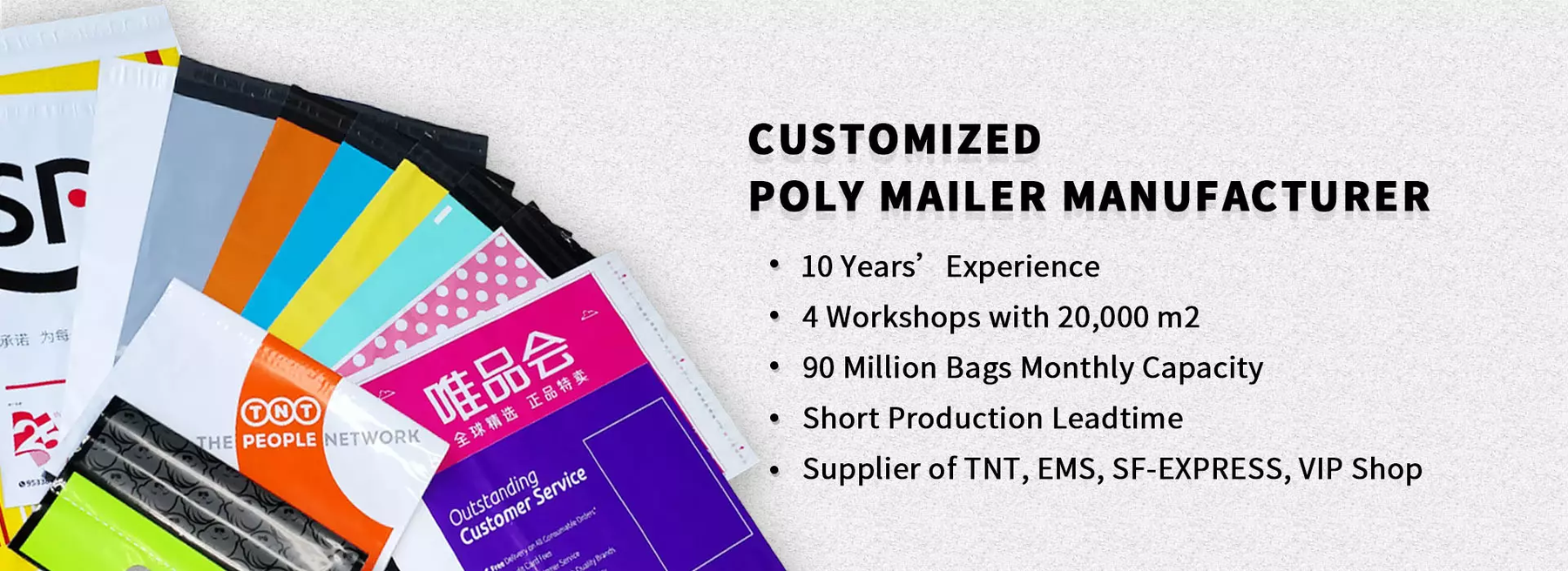
A capable poly-mailer manufacturer can customize logo printing, but the artwork has to be matched with the film, printing process, color requirements, and seal layout. The practical approval questions are therefore print capability, surface compatibility, sample quality, acceptable variation, and whether the same result can be reproduced at order volume.
When sourcing a poly mailer bag manufacturer , buyers should assess control across film making, printing, converting, and delivery. Traceability matters in custom-logo work because the selected film should remain traceable through printing, converting, inspection, and shipment if a production deviation occurs.
MOQ and lead time should be assessed against the actual artwork, dimensions, color count, and number of variants required for the order. An approved mailer manufacturing sample should reflect the film, print, closure, and production conditions planned for the order.
What a Capable Manufacturer Must Control
A production sample shows whether the selected film, artwork, closure, and print settings can be reproduced before volume is committed. The specification should separate essential logo and film requirements from optional features that may affect price or lead time.
Drawings, approved samples, and acceptance criteria reduce the chance that artwork or print requirements will be interpreted differently after ordering. Film gauge should be evaluated together with resin formulation and relevant test results rather than treated as a complete indicator of strength.
WH Packing can support custom-logo work through film production, gravure printing, converting, inspection, and bulk-order capacity. What matters to the buyer is how those stages preserve the approved artwork on the selected construction, so the product sample should connect print quality with the actual film and closure used for the order.
Production capacity should be judged with changeovers, maintenance, scrap, and peak demand in mind rather than against an ideal cycle. A cross-functional review is more effective when engineering, procurement, quality, and operations work from the same requirements. Surface treatment and ink compatibility matter because printed artwork can be damaged or transferred by rubbing during handling.
From Artwork to Finished Mailer
Before bulk production, the buyer should define the artwork, color reference, print area, registration requirement, and pass criteria. A later lot can then be compared against the same visual standard, allowing logo reproduction to be assessed directly against the approved reference.
Small artwork changes may alter plate or cylinder work, ink coverage, setup waste, and lead time even when the bag dimensions stay unchanged. Artwork changes should therefore be reviewed for their potential effect on printing setup, material usage, waste, and lead time.
Manufacturer comparison should focus on the actual film, print method, artwork requirements, closure layout, and inspection criteria for the logo program. Incoming inspection can then focus on the dimensions, seals, print, count, and visual defects defined during approval.
Logo quality depends on the interaction of surface preparation, ink application, film opacity, printing, converting, and inspection. A production sample can expose differences in color, registration, coverage, and seal-zone contamination before the run is released, while incoming inspection can focus on the characteristics agreed during approval.
Film gauge remains a functional requirement, while logo reproduction also depends on surface treatment, opacity, ink control, and registration. The manufacturer controls the main poly-mailer production stages from film to finished bag.
Selecting a Long-Term Custom Printing Partner
Custom artwork is produced by gravure printing in up to eight colors. Artwork control benefits from a clear approval process. The approval record should identify colors, registration, printable areas, barcode quality, and the reference sample used for later batches.
Multi-color logo programs also require clear control over artwork versions and production references. Each approved design can identify its color reference, print position, registration requirement, printable area, and corresponding film construction before bulk production begins. If the artwork later changes, the manufacturer can assess whether ink coverage, printing setup, or other production conditions also need adjustment instead of assuming that only the graphic file has changed.
Managing Repeat Custom Logo Orders
Coordination between artwork preparation, film production, printing, converting, and inspection is therefore important for repeat custom orders. A documented approval process gives buyers a clearer basis for checking logo accuracy and determining whether later production still matches the originally accepted design.
The production system supports complex custom printing, logo accuracy, bulk sea freight, and air freight for urgent orders. For custom-logo orders, documentation should capture the artwork version, color reference, print position, approved sample, and production conditions used for sign-off.
Buyers selecting a poly mailer bag manufacturer for repeat logo orders should evaluate the approved artwork, film, print sample, and production controls together. That combination gives later batches a concrete visual and functional reference for evaluating print consistency.
For ongoing supply, the approved sample, artwork reference, material specification, and inspection criteria should remain available for batch checks and future orders. A reliable manufacturer relationship is one in which artwork, material, production evidence, corrective action, and delivery planning remain under documented control.
Once the logo program is approved, WH Packing and the buyer can keep the artwork reference, film construction, and acceptance results for later production. Retaining those records helps later production reproduce the approved customization and makes artwork-related changes easier to evaluate.

