
If the technology of fatty acid production defines “what can be made,” then its extensive applications define “why it is made.” Fatty acids are the “hub” in the oleochemical industry chain, connecting natural oils with thousands of fine chemicals.
Surfactants and the Daily Chemical Industry: The Largest Consumer Market
Fatty acids and their derivatives are the core raw materials for surfactants. This sector consumes over half of the global fatty acid production. Through reactions such as hydrogenation, amidation, and esterification, fatty acids are converted into fatty alcohols, fatty amines, fatty acid methyl ester sulfonates (MES), and many other products.
These derivatives are key ingredients in detergents, shampoos, body washes, and skincare products. For example, cocamidopropyl betaine, a mild surfactant, is derived from coconut oil fatty acids. The “bio-based” nature of oleochemicals makes them highly attractive to the daily chemical industry, which is increasingly focused on sustainable sourcing.
The Plastics and Rubber Industry: Indispensable Processing Aids
In plastics processing, stearic acid (C18 saturated acid) and its metal salts (e.g., calcium stearate, zinc stearate) serve as important lubricants, release agents, and heat stabilizers. They prevent degradation during the processing of materials like PVC and improve the surface finish of finished products.
In the rubber industry, fatty acids act as vulcanization activators and plasticizers, enhancing processing performance and the mechanical properties of the final rubber products. This industry consumes a significant volume of industrial-grade mixed fatty acids annually.
Coatings, Inks, and Lubricants: Key Performance Modifiers
Unsaturated fatty acids like oleic acid are primary raw materials for alkyd resins, which are film-forming agents in paints and varnishes. The chain length and degree of saturation of the fatty acids influence the flexibility, drying speed, and durability of the coating.
In metalworking and mechanical lubrication, fatty acids and their esters are used as lubricant additives to reduce friction and improve anti-wear properties. Their biodegradability makes them ideal for environmentally friendly lubricants.
Food, Feed, and Pharmaceuticals: High-Value Segments
In the food industry, distilled fatty acids (e.g., stearic acid) are used to produce food emulsifiers, such as mono- and diglycerides of fatty acids (E471). In the feed industry, certain medium-chain fatty acids (e.g., lauric acid) are used as feed additives for their antibacterial and energy-supplementing properties. In the pharmaceutical sector, fatty acids serve as raw materials for drug carriers and functional lipids (e.g., structured lipid emulsions).
Of note, the market demand for medium-chain fatty acids (MCFAs, C10-C14) is growing rapidly. They are traditionally derived from natural sources like coconut oil, but production capacity is limited by feedstock availability. To meet this demand, the industry is actively exploring more flexible feedstock sources and more efficient production pathways.
Emerging Applications: Biofuels and Bio-Based Materials
In the context of global efforts to reduce carbon emissions, downstream applications of fatty acids are extending into the energy and new materials sectors. Through decarboxylation or hydrodeoxygenation, fatty acids can be converted into components of biodiesel and Sustainable Aviation Fuel (SAF). Their derivatives are also important platform chemicals for producing bio-based lubricants, biodegradable plastics, and other green materials.
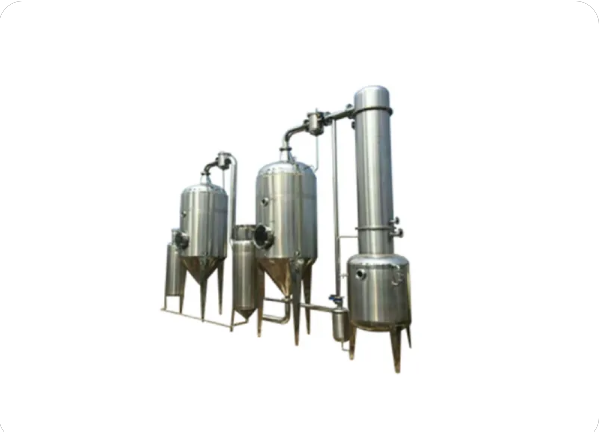
Zhengzhou Ocean offers customized fatty acid production lines based on core technologies of high-pressure continuous hydrolysis, thin-film evaporation, and multi-effect evaporation. From engineering design to equipment manufacturing, our solutions balance high conversion rates, product flexibility, and energy efficiency to help clients compete in the global oleochemical market.

