
When it comes to selecting the appropriate laser technology for semiconductor wafer dicing, the decision often hinges on pulse duration. Ultrafast lasers, specifically femtosecond and picosecond lasers, have revolutionized how manufacturers process delicate materials. This article explores the distinct features and advantages of these two pulse durations, particularly in the context of the demands posed by modern semiconductor applications.
Mechanisms of Laser Processing
Ultrafast laser technology operates on the principle of short bursts of energy that create minimal heat-affected zones, ensuring greater precision during the machining process. Femtosecond lasers deliver pulses in the range of 10^-15 seconds, allowing for extremely fine material ablation and reduced thermal impacts on surrounding areas. This is particularly beneficial in applications that demand high precision and accuracy, such as semiconductor wafer dicing. In contrast, picosecond lasers, with pulse durations in the range of 10^-12 seconds, can still achieve precise machining but may incur slightly more heat, which could affect the material properties.
Application Suitability in Wafer Dicing
Both femtosecond and picosecond lasers serve distinct purposes in ultrafast laser machining. Femtosecond lasers excel in applications requiring precision, such as cutting thin, brittle semiconductor wafers without introducing cracks or other defects. Their ability to work with minimal heat allows for effective separation of layers without damaging the underlying structures. Picosecond lasers, while slightly less precise, can still meet many industrial requirements for dicing and may be more cost-effective for certain applications. Ultimately, the choice between the two depends on specific operational needs and the nature of the materials involved.
The Role of JPT Ultrafast Lasers
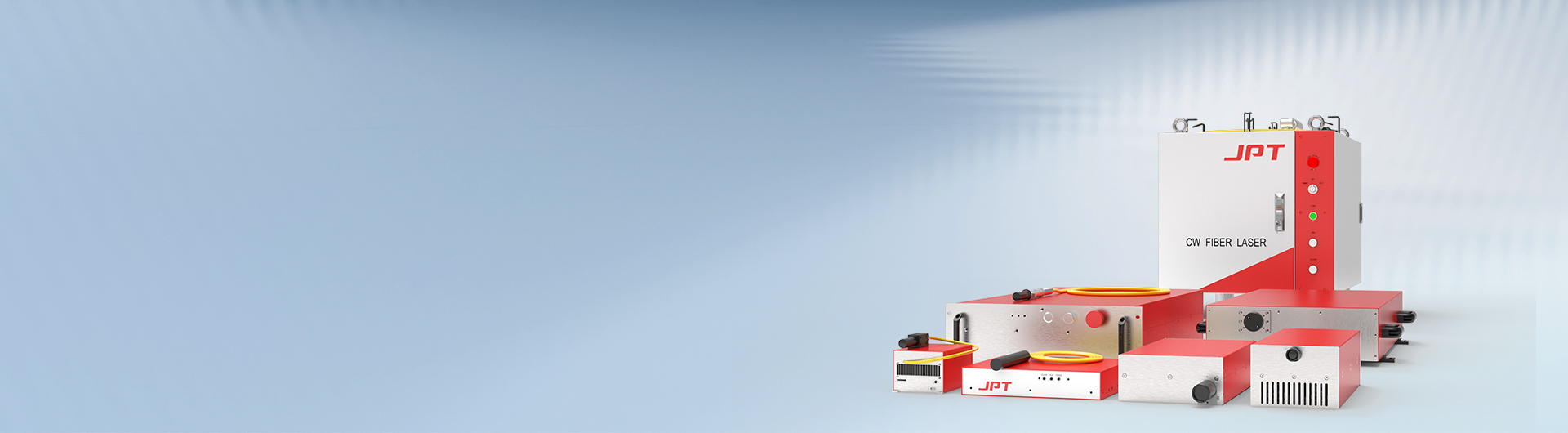
Innovative companies, such as JPT, provide advanced ultrafast laser sources that integrate seamlessly into machining systems. Their compact cavity design and industrial-grade electronic control architecture support different wavelength outputs—infrared (IR), green (GR), and ultraviolet (UV)—tailoring solutions for specific industry requirements. Such versatility in applications simplifies the integration process for manufacturers, allowing them to optimize their machinery for diverse tasks in semiconductor wafer dicing.
Conclusion
In the competitive landscape of semiconductor manufacturing, the choice between femtosecond and picosecond lasers can significantly impact productivity and product quality. Both technologies have their merits, with femtosecond lasers offering unmatched precision while picosecond lasers provide efficiency and cost benefits. Understanding the advantages of each pulse duration in semiconductor wafer dicing is critical for meeting the specialized demands of modern applications. As suppliers like JPT continue to innovate and adapt their ultrafast laser technologies, users will benefit from increased performance and adaptability in their manufacturing processes.

