
In busy outpatient departments, accurate and efficient monitoring of patients is essential for clinical decision-making and workflow optimization. Choosing the right hospital patient monitor means balancing performance, usability, and adaptability to a high-throughput environment. When assessing options, healthcare providers should consider devices that offer reliable vital measurements, intuitive operation, and seamless data management to support daily rounds and spot checks.
Understanding the Essentials of Patient Monitoring
A patient vital signs monitor must reliably capture key physiological data such as blood pressure, oxygen saturation, and pulse rate. These metrics inform clinicians about a patient’s immediate condition and help identify trends that may indicate clinical changes. Devices in outpatient settings are often used for rapid assessments and quick decision-making, where clarity of display and ease of use can make a significant difference.
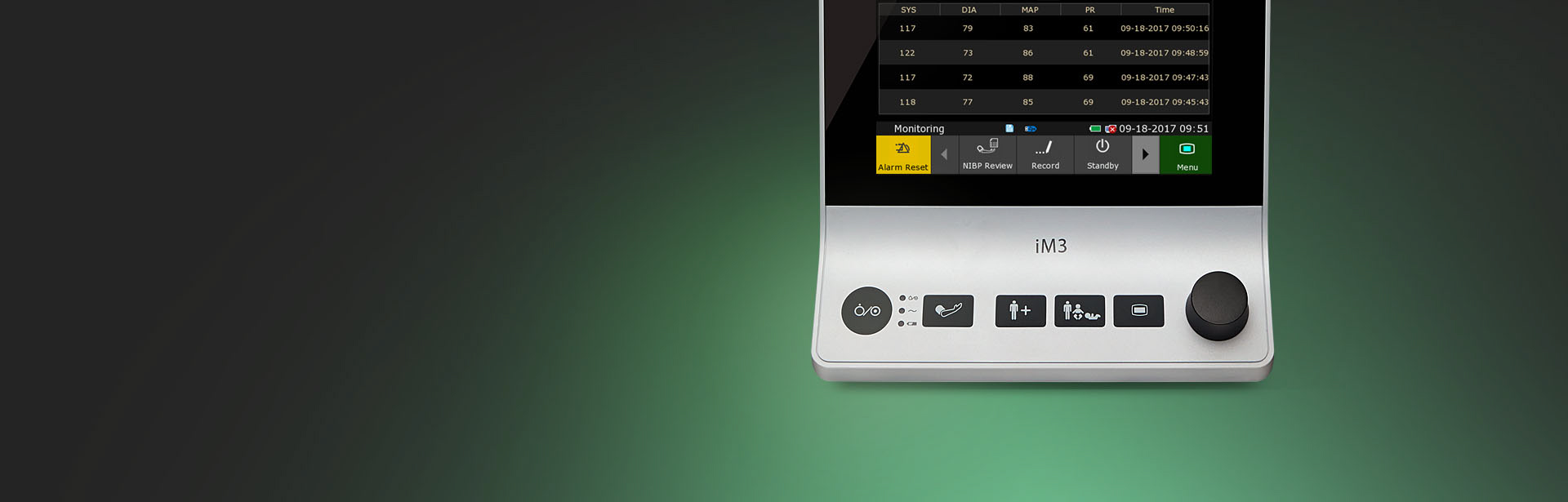
One device that addresses such needs is the EDAN iM3 Vital Signs Monitor. Designed for dynamic clinical environments, this monitor integrates standard parameters like SpO₂ and NIBP with a bright, capacitive touchscreen to ensure readings are visible at a glance. Its lightweight form factor and built-in connectivity options allow care teams to move it between stations or integrate it with electronic health records, enhancing workflow efficiency.
Work Modes That Match Department Needs
Outpatient care often alternates between continuous oversight and quick evaluations. A flexible monitor supports multiple operation modes to suit these diverse scenarios. The iM3 includes dedicated modes for extended tracking, rapid spot measurements, and structured ward rounds. These modes enable clinicians to efficiently manage routine measurements while maintaining comprehensive records for multiple patients.
Data handling is another crucial factor. A good hospital patient monitor should offer robust internal memory for trends and alarms, along with seamless options to upload reports to central systems. With features like wireless connectivity and USB export capabilities, the iM3 facilitates reliable data transfer and documentation that outpatient departments require.
Conclusion
In high-volume outpatient departments, the right patient vital signs monitor enhances both patient care and staff efficiency. When monitoring several patients with varying needs, devices like the EDAN iM3 offer the clarity, versatility, and connectivity necessary to support fast-paced clinical routines while delivering dependable measurements and streamlined workflows.

