
Homemade sauerkraut depends on salt, acidity, cleanliness, and time. Surface mold prevention begins with the fermentation method, not with the lid alone. During active fermentation, sauerkraut should be kept under brine with proper salt levels, suitable temperature, and clean weights or lids. An automatic vacuum sealer for mason jars deserves mention only when it supports the practical steps that the food already requires. The daily setting matters here: in fermented vegetable jars, small lapses around surface exposure and poor brine coverage can make a noticeable difference. The method works best when buying habits match actual use rather than the largest package available.
Fermentation Needs Oxygen Control
During active bubbling, a sealed jar routine is not the main method for managing active gas production because fermentation releases carbon dioxide. Once fermentation is complete and the sauerkraut is ready for cold storage, jar sealing can help reduce fresh oxygen above the food. This is why the first step should be observation: smell, surface appearance, and texture usually reveal whether storage conditions have already started to decline. Keeping the process simple makes it more likely that the same care will be used after every opening.
Smaller Containers Reduce Disturbance
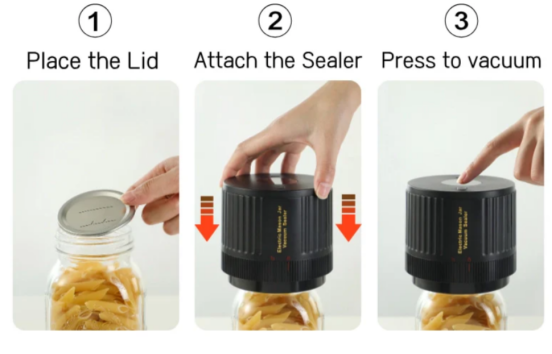
This stage of storage aligns well with jar compatibility and one-touch sealing features, especially when homemade sauerkraut is portioned into smaller jars for regular meals. In this context, heiyo automatic vacuum sealers for Mason jars can help maintain a more stable low-oxygen environment, supporting the goal of inhibiting surface mold by reducing repeated air exposure after each opening.
Repeatedly opening a large fermentation pot can disturb the surface layer and introduce unwanted air, utensils, or stray food particles. For households that cook in batches, the most effective system is typically the one that can be followed consistently on busy days without requiring extra decisions. Each time a jar is reopened, a quick visual check should come first before the contents are added to a recipe, helping maintain both food safety awareness and routine stability.
Mold Prevention Requires More Than Sealing
Dividing sauerkraut into clean Mason jars after fermentation may lower that disturbance. For refrigerated portions, a sealed jar routine helps reseal each portion before refrigeration, while the remaining jars stay closed. A limited role for the automatic vacuum sealer for mason jars makes the recommendation feel more trustworthy. The method descriptions mention homemade goods, pickles, and chutneys, making fermented vegetables a logical storage topic when handled responsibly. Each jar should be filled with brine covering the cabbage, labeled by date, and checked for unusual odors, colors, or textures. A final check of smell, surface appearance, and texture should remain part of the process, because the senses often catch problems before labels do.

