
Cold-weather training creates difficult conditions for protective eyewear. Warm breath, perspiration, and sudden temperature changes can cause moisture to collect on lenses. Fogged vision makes it harder to read terrain, follow instructions, and notice obstacles during movement. For equipment buyers, lens clarity deserves attention alongside impact protection and fit.
Choosing anti-fog tactical goggles requires more than checking a product label. Procurement teams should compare lens treatments, ventilation, frame sealing, and compatibility with other equipment. Testing conditions also matter because a goggle that performs well during a short indoor trial may behave differently during prolonged outdoor use.
Why Lenses Fog in Low Temperatures
Fog forms when moist air meets a cooler lens surface and condenses into tiny droplets. Breathing, physical exertion, and changes between heated rooms and outdoor air can increase the moisture trapped around the eyes. Reduced airflow may make this buildup worse.
Cold conditions introduce another challenge. Snow, rain, and damp clothing can add moisture near the frame. Users may also cover their faces with masks or neck gaiters, directing exhaled air upward toward the goggles instead of away from them.
Buyers should ask suppliers how fog resistance was evaluated. Useful details include test temperature, humidity, duration, and whether the goggles were worn with face coverings. These conditions help teams compare products more meaningfully than a simple anti-fog claim.
Lens Treatments and Optical Clarity
Anti-fog treatments generally work by changing how condensed moisture spreads across the lens surface. Instead of forming separate droplets that scatter light, moisture can form a thinner film. Coating performance still depends on cleaning methods, wear, and environmental conditions.
Optical clarity matters just as much as fog resistance. Distortion can make it difficult to judge distances or identify small objects. Procurement teams can inspect samples for visible haze, uneven coating, and changes in clarity after repeated cleaning under the supplier’s recommended procedure.
UV protection and impact resistance are separate features. UV400 describes ultraviolet filtering, but it does not establish a particular impact rating. Similarly, a polycarbonate lens may resist impacts, yet buyers should request documented results against the specific safety standard required for their application.
When comparing suppliers, ask whether coating instructions restrict certain wipes or solvents. Inappropriate cleaning products can damage the treated surface and shorten its useful performance.
Frame Fit, Airflow, and Headgear
Frame design influences how warm, humid air escapes. Ventilation can reduce moisture accumulation, but openings must be assessed alongside protection from wind, dust, and airborne debris. More airflow does not automatically mean a better configuration for every task.
Fit should be checked on different face shapes. Gaps around the nose or cheeks can change comfort and allow unwanted airflow. Straps should hold the goggles securely without excessive pressure, especially when users move frequently or wear them for extended sessions.
Helmet compatibility needs practical verification. Teams should test the goggles with the actual helmets, masks, and communication equipment used in the field. Poor positioning can affect the seal or push the frame against the face, creating discomfort and potentially directing warm breath toward the lens.
What Buyers Should Check in Product Samples
Sample evaluation is especially useful for anti-fog military goggles ordered for winter training programs. Buyers can assess clarity after moving from warm indoor air to cold outdoor conditions, then repeat checks during moderate physical activity. Such observations provide application-specific feedback, although they do not replace standardized tests.
Inspect the lens for scratches, surface defects, and visual distortion before and after cleaning. Check whether the strap adjusts smoothly and whether the frame remains stable when users turn their heads. Record results with the temperature, activity, and headgear combination used.
For group purchases, use the same evaluation sheet across samples. Fields can include fogging observations, fit comments, lens clarity, cleaning instructions, and supporting test reports. Consistent records help purchasing teams explain why one configuration suits the intended environment better than another.
A Practical Product Example for Procurement
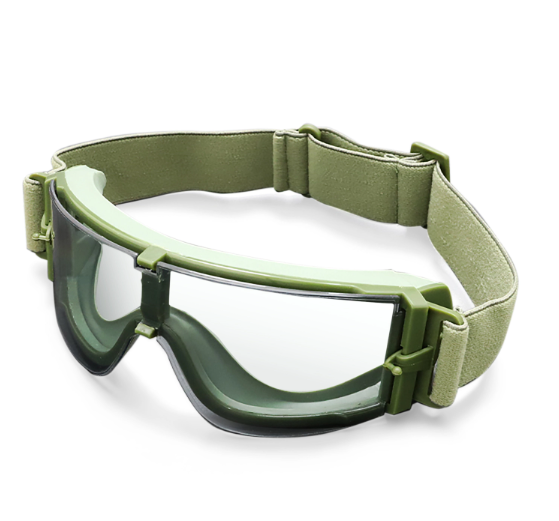
Product comparisons become more useful when technical features are connected to an actual model. YIJIA Optical offers the RK5 tactical goggles with reinforced HD polycarbonate lenses and a TPR-and-PC frame. The supplied specifications identify anti-fog, anti-scratch, UV400, and impact-resistant functions, along with a design intended to protect against wind and dust.
The frame is described as compatible with helmets, while available colors include military green, black, and khaki. These details may matter to distributors planning coordinated product ranges or organizational orders. Buyers should still confirm whether the specific configuration fits their required headgear and testing criteria.
For custom orders, YIJIA Optical provides OEM and ODM options. They can discuss branding and color requirements with business customers. Before committing to bulk production, purchasing teams should request a sample, confirm labeling and packaging requirements, and examine relevant test documentation for the intended market.
Making a Defensible Winter Eyewear Choice
Selecting protective goggles for cold climates means balancing moisture control with vision, fit, and physical protection. Buyers should compare products under representative conditions instead of relying on individual feature descriptions. The final decision should reflect how the goggles will be worn and maintained.
For anti-fog military goggles, a practical purchasing file should include sample observations, compatibility checks, cleaning guidance, and applicable test evidence. This gives distributors, clubs, and institutional buyers a clearer basis for choosing equipment and discussing specifications with manufacturers.

