
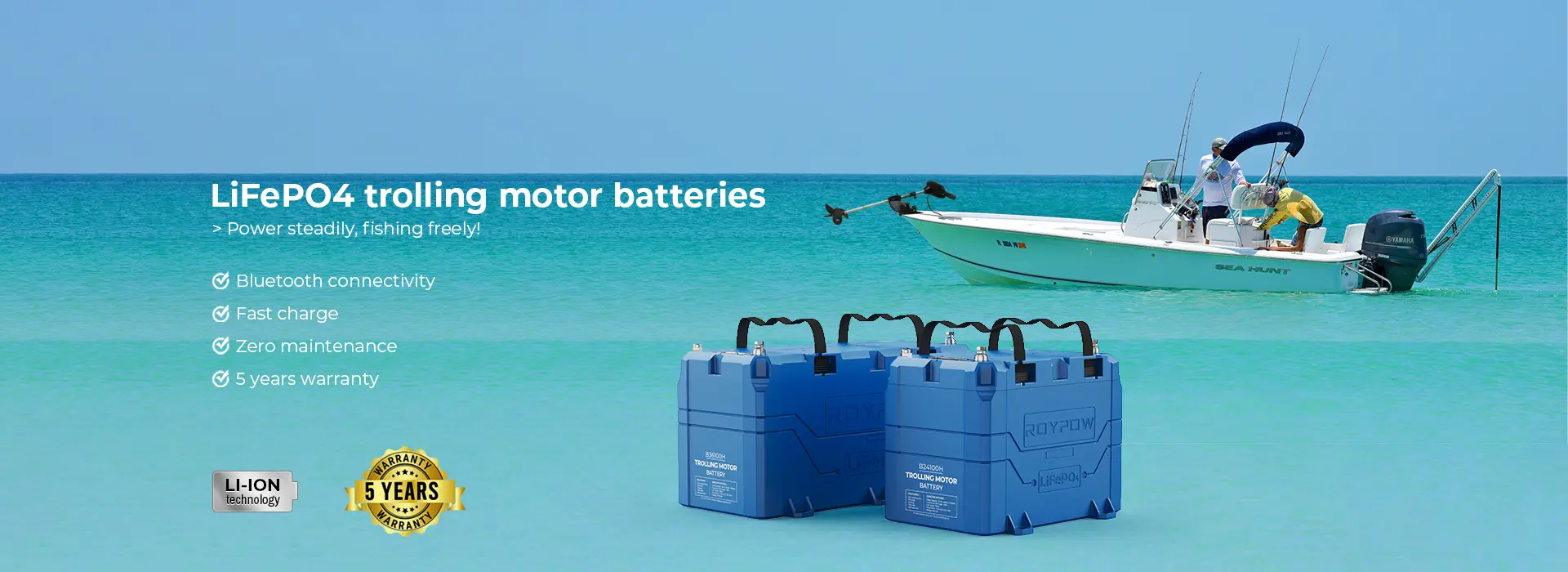
A trolling motor can only perform as well as the battery behind it. Whether you use your boat for weekend fishing, longer recreational outings, or regular low-speed maneuvering in changing water conditions, battery choice has a direct impact on runtime, control, and overall reliability. That is why selecting the right battery is not just a technical decision. It is a practical part of building a better boating experience.
Many boaters focus first on the motor itself, but battery selection deserves equal attention. The right setup should match the motor’s power demands, the boat’s size and weight, and the amount of time you expect to spend on the water. Once those factors are understood, it becomes much easier to decide what battery for a trolling motor will best support your needs.
Start with Thrust and Boat Weight
One of the first things to consider is the thrust rating of the trolling motor. Thrust is typically measured in pounds and indicates how much pushing force the motor can provide. Smaller boats often use motors with lower thrust ratings, while heavier boats or more demanding conditions may require more powerful systems.
Hull weight matters just as much. A heavier boat places greater demand on the trolling motor, which means the battery must be able to supply dependable power over time without performance dropping too quickly. If battery capacity does not align with the boat’s weight and the motor’s workload, the result may be shorter runtime, weaker responsiveness, or less efficient operation overall.
In simple terms, the motor and battery should be considered as a system. The more demanding the boat and water conditions are, the more important battery quality and sizing become.
Understand the Main Battery Types
Most trolling motor batteries fall into two broad categories: lead-acid and lithium-ion. Each has its place, but they differ significantly in terms of weight, maintenance, service life, and performance consistency.
- Lead-Acid Batteries
Lead-acid batteries have been used in marine applications for many years. They are familiar, generally easier to find, and often lower in upfront cost. For boaters with basic or occasional needs, they may still seem like a practical option.
However, they also come with trade-offs. They are usually heavier, may require more maintenance, and often have a shorter service life than lithium alternatives. Their performance can also become less consistent as the charge declines, which may affect trolling motor responsiveness during longer outings. - Lithium-Ion Batteries
Lithium-ion batteries have become increasingly popular because they offer a more modern balance of performance and convenience. They are typically lighter, require less upkeep, and are designed for longer service life. They also tend to maintain steadier voltage across the discharge cycle, which helps the trolling motor perform more predictably.
For boaters who value efficiency, reduced maintenance, and better long-term ownership value, lithium batteries are often the stronger option. While the upfront investment may be higher, the total cost over time can be more favorable because of longer lifespan and fewer maintenance demands.
Key Factors to Compare Before Choosing
Once you understand the battery types, the next step is to compare them based on actual use. A good battery choice is not based on one specification alone. It depends on how the boat is used and what kind of experience you want on the water. Key factors to consider include:
- Motor thrust requirements
The battery should be able to support the power demands of the trolling motor without struggling during extended use. - Boat weight and load
Heavier boats and additional gear increase the demand on both the motor and battery. - Capacity and runtime
Amp-hour capacity influences how long the battery can power the motor before recharging is needed. - Battery weight
A lighter battery can improve handling, reduce strain during installation, and support better efficiency. - Maintenance expectations
Some boaters are comfortable with regular battery care, while others prefer a lower-maintenance setup. - Long-term value
A battery with longer life and fewer replacement needs may provide better overall economics than a cheaper short-term option.
Thinking through these factors together usually leads to a more practical and cost-effective decision.
Why Battery Weight Deserves More Attention
Battery weight is often underestimated, but it can affect both performance and usability. Heavier batteries are more difficult to move, install, and store. They can also add unnecessary mass to the boat, which may influence handling and overall efficiency.
This is one reason lithium batteries are increasingly attractive. Their lighter design helps simplify installation and can improve maneuverability, especially in smaller boats where every weight reduction is more noticeable. For anglers who launch frequently or transport their own gear, this becomes a meaningful everyday advantage.
Runtime Is About More Than Capacity Alone
Many buyers naturally focus on amp-hour ratings, but runtime depends on more than just battery size. Real runtime is influenced by motor thrust level, wind and current conditions, boat weight, and how aggressively the motor is used throughout the day.
A battery with stable power delivery can sometimes feel more capable in practice because it maintains stronger performance throughout the discharge cycle. That is another area where lithium technology often performs well. Instead of gradually weakening as charge drops, it tends to support more consistent trolling motor behavior over longer sessions.
For fishing trips or recreational boating where reliability matters, that steady output can make a major difference in comfort and confidence.
Matching the Battery to Your Boating Style
Not every boater needs the same setup. Someone using a small boat for short freshwater trips may prioritize simplicity and affordability. Another user fishing longer hours in changing conditions may care more about runtime, reduced maintenance, and long-term reliability. That is why the best battery choice is rarely the same for everyone. It should reflect:
- how often you use the boat
- how long your typical outings last
- the size and weight of the vessel
- the water conditions you expect
- how much maintenance you want to manage
- whether your priority is lower upfront cost or better total value over time
When these factors are matched carefully, the result is a battery system that supports the motor efficiently and fits the way you actually boat.
A Better Decision Starts with the Right Fit
Choosing a trolling motor battery is really about finding the right balance between power, runtime, weight, maintenance, and long-term value. Once you understand your motor’s thrust demands and your boat’s operating needs, the decision becomes much clearer. Lead-acid batteries may still suit some users, but lithium-ion options are increasingly preferred for their lighter weight, stable power delivery, and lower maintenance.
A well-matched battery does more than keep the motor running. It improves reliability, supports better performance, and helps make every trip on the water more enjoyable. For boaters who want fewer compromises and a more efficient setup, choosing the right battery is one of the smartest upgrades they can make.

